
Did you know that for common Singaporean skin types, traditional IPL carries a 15% to 20% higher risk of post-inflammatory hyperpigmentation compared to modern alternatives? This data explains why so many people are moving away from the sharp, stinging sensations of older technology. You likely want a solution that handles stubborn ingrown hairs and fine fuzz without the fear of skin damage or intense discomfort. It’s frustrating when treatments don’t live up to the promise of smooth skin, especially if you have a darker or tanned complexion.
Understanding what is the difference between shr and ipl is the first step toward a more comfortable grooming routine. This 2026 guide will show you how SHR’s “In-Motion” technology provides a safer, more effective experience for our multi-ethnic community. We’ll break down the technical shift from high-heat pulses to gentle, gradual warming, ensuring you know exactly how to achieve lasting results while enjoying a virtually painless experience.
Key Takeaways
- Learn what is the difference between shr and ipl by exploring how SHR uses low-energy, high-frequency pulses instead of high-intensity light bursts.
- Discover why SHR is often compared to a warm massage, offering a virtually painless alternative to the sharp “rubber band snap” sensation of traditional IPL.
- Understand why SHR’s gradual heating method is the safer choice for Singapore’s diverse skin tones, minimizing the risk of post-treatment irritation.
- Compare treatment timelines to see how SHR’s efficiency can lead to faster results across fewer sessions than traditional methods.
- Identify the essential qualities to look for in a specialist to ensure your treatment plan is tailored to your unique skin and hair type.
Understanding the Technology: How IPL and SHR Actually Work
To truly understand what is the difference between shr and ipl, we must look beneath the skin’s surface. Traditional methods rely on a sudden, high-intensity flash of light. In contrast, modern SHR technology uses a rapid series of low-energy pulses. This shift in energy delivery changes everything from the sensation you feel to the safety of the procedure for different skin tones. It is a move from instant heat to gradual warming.
The Mechanism of Intense Pulsed Light (IPL)
Traditional hair removal relies heavily on Intense Pulsed Light (IPL) technology. This system uses a broad spectrum of light that targets melanin, the pigment found in your hair. Think of it like wearing a black shirt on a sunny day; the dark color absorbs the heat. The light energy travels down the hair shaft and converts into thermal energy, which aims to destroy the hair follicle. Because this method depends on pigment, it’s most effective when there’s a sharp contrast between dark hair and light skin. If the skin is too dark or the hair is too light, the energy might not reach its target effectively.
The Evolution of Super Hair Removal (SHR)
SHR represents a significant technological leap. Instead of one high-energy blast, it utilizes low-energy pulses delivered at a high frequency, usually around 10 shots per second. This approach creates a gradual accumulation of heat in the dermis. One of the most vital points in understanding what is the difference between shr and ipl is the biological target. While IPL focuses on melanin, SHR targets the hair’s stem cells. These are the cells responsible for hair growth. By gently heating the area to a specific temperature, the stem cells are deactivated without causing trauma to the surrounding skin. This makes the process much safer for tanned or naturally darker skin tones common in Singapore.
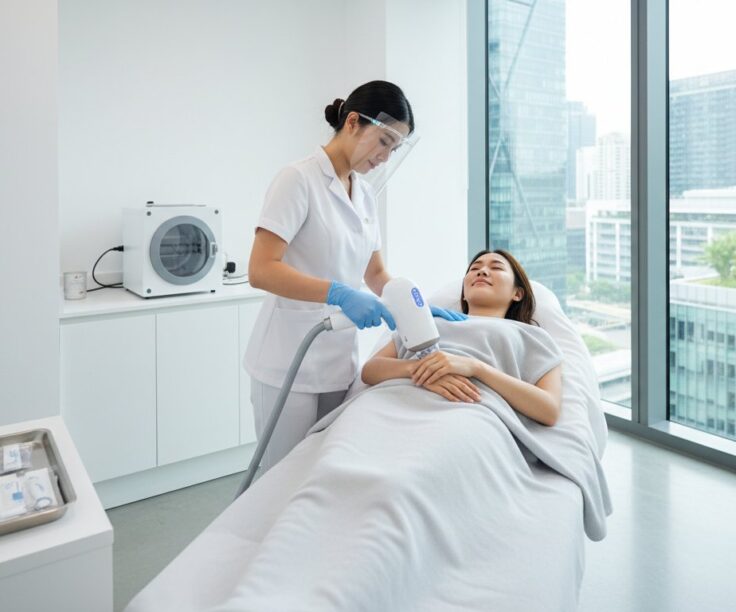
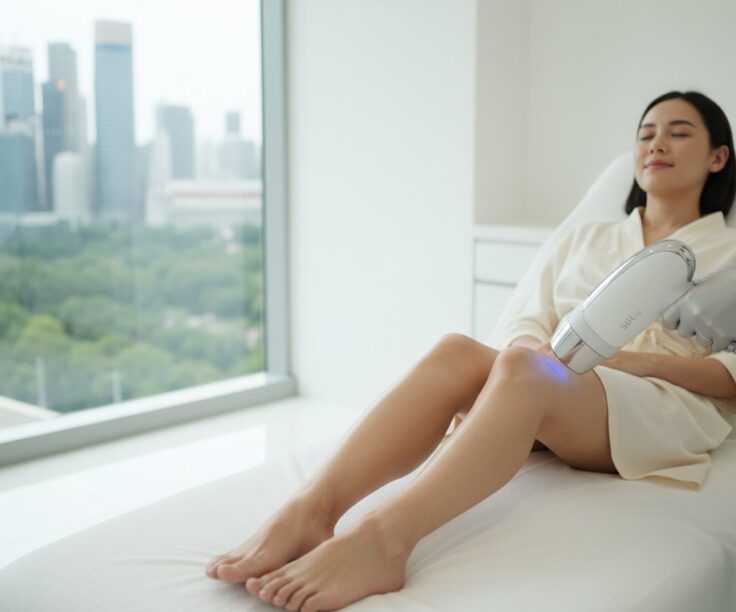
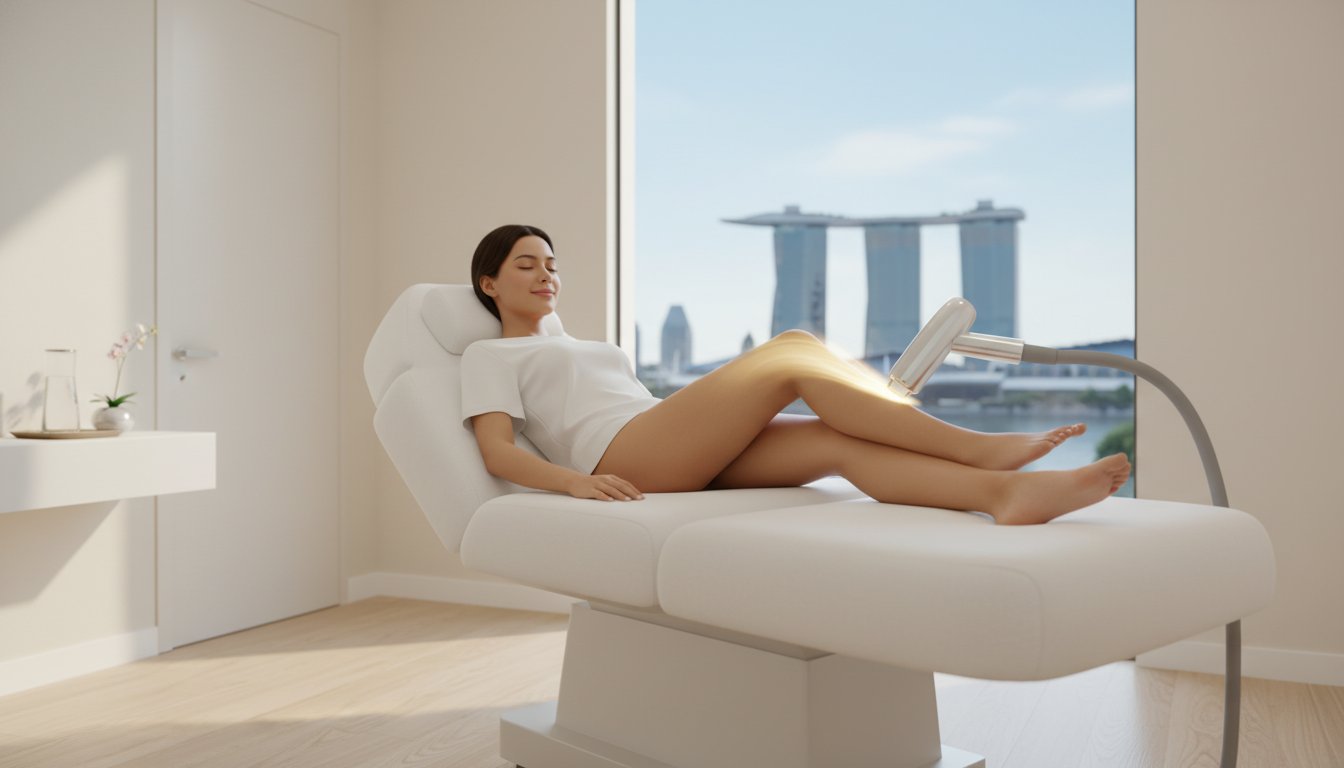
The application method also differs. IPL uses a “stamping” technique where the applicator stays still for each flash. SHR uses an “In-Motion” technique. The therapist glides the applicator over the treatment area continuously. This ensures every millimeter of skin receives the necessary energy, preventing the patchy regrowth that can happen with stamping. Modern SHR systems also integrate advanced cooling technology. This keeps the skin surface comfortable and chilled while the heat builds up safely underneath. If you’re curious about how this feels in practice, you can explore the latest SHR technology options to see how they prioritize your comfort.
- IPL: High-intensity bursts, targets melanin, uses a stamping motion.
- SHR: Low-energy pulses, targets stem cells, uses a gliding “In-Motion” technique.
- Safety: SHR’s gradual heating reduces the risk of burns on darker skin.
SHR vs IPL: A Head-to-Head Comparison of Key Differences
When you sit down for a treatment, the most immediate thing you’ll notice about what is the difference between shr and ipl is the physical sensation. Traditional IPL often feels like a series of sharp rubber band snaps against the skin. This can be quite jarring, especially in sensitive areas. SHR, however, is frequently described as a warm massage. Because it uses lower energy levels and builds heat gradually, the experience is significantly more relaxing. This comfort makes it much easier to stay consistent with your appointments.
Efficiency is another area where these technologies diverge. The traditional “stamping” method of IPL requires the therapist to place the applicator, trigger a flash, and then move to the next spot. This can be time-consuming for large areas like the legs or back. Some suggest that shot-by-shot accuracy is superior, but this often leads to “zebra stripes”, which are missed patches where the applicator didn’t perfectly align. SHR’s “In-Motion” technique glides across the skin, ensuring full coverage without the gaps. This sliding motion makes treatments much faster, allowing you to return to your day sooner. If you want to experience this efficiency firsthand, you can book a session to see the difference for yourself.
Suitability for Different Skin and Hair Types
Singapore’s diverse population means skin tones and hair textures vary widely. IPL has historical limitations; it struggles with very fine hair or darker skin tones because it relies so heavily on melanin contrast. SHR is much more versatile. It’s effective on finer “peach fuzz” and is the gold standard for tanned or naturally darker skin. In fact, while IPL usually requires you to avoid the sun for weeks, SHR is gentle enough that you can often proceed even if you’ve recently spent a weekend at the beach. It provides a truly inclusive solution for everyone.
Treatment Duration and Session Frequency
Treatment times vary based on the area. A small area like the underarms might take only 5 to 10 minutes with SHR, while full legs can be completed in under 30 minutes. We generally recommend intervals of 4 to 6 weeks. This timing is the sweet spot because it aligns with your hair’s natural growth cycle, ensuring we catch as many follicles as possible in their active phase. Once you complete an initial cycle of 6 to 10 sessions, maintenance becomes much simpler. Most people find that a quick touch-up once or twice a year is all they need to maintain long-lasting, smooth skin.
Pain Levels and Skin Safety: Why Singaporeans are Switching to SHR
Safety is no longer an afterthought for beauty consumers in Singapore. A 2024 survey found that 82% of local beauty service consumers prioritize safety over speed. This shift in mindset is a major reason why people want to know what is the difference between shr and ipl when it comes to skin protection. Traditional IPL relies on an “instantaneous burst” of high-intensity light. This sudden spike in heat can be aggressive. If the energy isn’t managed perfectly, it carries a higher risk of burns or post-inflammatory hyperpigmentation, especially for those with Fitzpatrick skin types III and IV common in our community.
SHR operates on the principle of “Gradual Heating.” Instead of one intense blast, it delivers multiple low-energy pulses at a high frequency. This method slowly raises the temperature of the hair follicle to the required level. Because the energy isn’t delivered in one sharp spike, the skin’s surface remains much cooler and safer. Regina’s technology enhances this protection with integrated cooling systems. These systems actively chill the skin upon contact, ensuring the heat stays targeted deep in the dermis while the epidermis remains comfortable. There’s almost no downtime. You might notice a slight pinkness for an hour or two, but you can usually return to your daily routine immediately.
The Sensory Experience: What Does it Feel Like?
Many find the “rubber band snap” of traditional IPL quite daunting. It’s a sharp, hot sensation that can cause you to tense up during the session. SHR feels completely different. Most clients describe it as a soothing, warm sensation, similar to a hot stone massage. SHR is a virtually painless experience that eliminates the sharp stinging sensations associated with traditional light-based treatments. This relaxing atmosphere turns a standard grooming appointment into a genuine moment of self-care.
Safety Protocols for Singapore’s Climate
Our tropical climate presents unique challenges for skin safety. High humidity and constant sun exposure can make your skin more reactive. While SHR is much more inclusive for tanned skin, we still advise certain precautions to ensure the best results. We recommend avoiding sunbeds or intentional heavy tanning for at least a week before your session so your skin isn’t already stressed. After your treatment, your skin needs moisture. We emphasize the importance of hydration and applying high-SPF sun protection in the 24 hours following your visit. Keeping the area hydrated helps the skin recover quickly and maintains that long-lasting smoothness. If you’re looking for a safe way to start, you can explore our SHR treatment options designed for local skin needs.
Effectiveness and Treatment Cycles: Getting the Best Results
Achieving lasting, smooth skin requires more than just high-quality technology; it requires an understanding of your body’s natural rhythms. While the technology behind light-based treatments has evolved, the biology of your hair remains the same. This is why multiple sessions are necessary regardless of the method you choose. To get the most out of your investment, you need to align your appointments with your hair’s active growth phases. Consistency is the most important factor in seeing a significant reduction in hair density.
A common misconception is that IPL is more “targeted” because it uses a single, focused blast of light. However, when considering what is the difference between shr and ipl in terms of long-term effectiveness, SHR is actually more precise at a cellular level. While IPL targets the melanin in the hair shaft, SHR focuses on the stem cells that produce the hair. By targeting the source of growth rather than just the visible hair, SHR provides a more comprehensive knockout of the follicle’s ability to regenerate. This biological precision is why many clients see results in 6 to 10 sessions with SHR, compared to the 8 to 12 sessions often required with traditional IPL.
Understanding the Hair Growth Cycle
Your hair goes through three distinct phases: Anagen (growth), Catagen (transition), and Telogen (resting). Light-based treatments are only effective during the Anagen phase, when the hair is still physically connected to the follicle and its nutrient supply. Since only about 15% to 20% of your hair is in this phase at any given time, you need multiple sessions to catch every follicle. SHR’s ability to target stem cells means it can often impact the hair more effectively even as it transitions, leading to faster overall progress. For a deeper dive into these biological processes, you can read the Regina SHR Hair Removal guide.
Factors That Influence Your Results
Not every part of the body responds at the same speed. Areas with high hormonal activity, such as the face or the Brazilian area, often require more sessions to achieve the desired outcome. Similarly, your starting hair density and thickness play a role; coarser hair may take longer to thin out than fine “peach fuzz.” It’s also vital to manage expectations regarding “permanent” results. The industry standard for permanent hair reduction is an 85% to 95% decrease in hair density. Any remaining hair is typically much finer, lighter, and easier to manage. To maintain these results, we recommend spacing your initial SHR treatments exactly 28 days apart. Skipping sessions can allow follicles to recover, which might extend your total treatment journey.
Ready to begin your journey to effortless, smooth skin? Book your personalised consultation today to receive a treatment plan tailored to your specific hair and skin type.
Choosing Your Specialist: Why Regina’s SHR Method Leads in Singapore
Choosing the right specialist is just as important as the technology itself. When you look at what is the difference between shr and ipl, the results often come down to the skill of the person operating the device. At Regina, we’ve made a conscious choice to lead with SHR because it aligns with our promise of safety and comfort. Our specialists receive extensive training specifically for the diverse skin tones found in Singapore. This ensures that whether your skin is fair, tanned, or naturally dark, your treatment is handled with the highest level of care and precision.
We call this the ‘Regina Experience.’ It starts with a personalised consultation where we walk you through the biological cycles of hair growth. We’re committed to transparency, so you’ll always have a clear understanding of your treatment plan and expected outcomes. Our multiple locations across Singapore make it easy for you to maintain the consistency needed for the best results. We’ve designed our services to be accessible and convenient, fitting seamlessly into your lifestyle without requiring significant downtime or recovery periods.
Why Regina Specialises in SHR Over IPL
We focus on SHR because it provides a non-invasive, pain-free alternative that suits the fast-paced Singaporean lifestyle. Traditional methods can be stressful, but our ‘In-Motion’ technique ensures a relaxing experience with 100% coverage. Our therapists are trained to glide the applicator smoothly, eliminating the risk of patchy regrowth often seen with older stamping methods. Understanding what is the difference between shr and ipl helps you see why this specialized technique is superior for achieving a uniform, smooth finish. If you’re a new client, you can explore our Regina Promotions to experience this advanced technology for yourself.
Ready for Smooth Skin? Your Next Steps
Your journey to effortless skin starts with a few simple steps. Before your first consultation, we recommend shaving the target area about 24 hours in advance. This allows the SHR energy to focus directly on the stem cells within the follicle rather than wasting energy on the hair above the surface. When you evaluate different salons, prioritize those that emphasize hygiene, use HSA-compliant equipment, and have a strong reputation for client satisfaction. We invite you to join our community of confident, smooth-skinned clients who have made the switch to a better way of grooming. Book your SHR session at Regina today and discover the gold standard of hair removal in Singapore.
Step Into Your Smoothest Year Yet
Choosing the right hair removal method is about more than just aesthetics; it’s about your comfort and skin health. By now, you understand what is the difference between shr and ipl and why the shift toward gradual heating technology has become the standard in Singapore. SHR offers a way to achieve long-lasting, smooth skin without the sharp pain of traditional methods. It remains the most inclusive choice for our diverse community, providing a safe experience for every skin tone.
At Regina, we’ve specialized in SHR technology since our inception. We combine this advanced technology with convenient locations across Singapore to make your self-care routine as easy as possible. Our treatments are safe for all skin types and designed to fit into your busy schedule. You don’t have to settle for the discomfort of older systems or the frustration of patchy results.
Take the first step toward effortless grooming and a boost in confidence. Book Your Pain-Free SHR Consultation at Regina today. We look forward to helping you achieve the silky, smooth skin you deserve.
Frequently Asked Questions
Is SHR really better than IPL for dark skin?
Yes, SHR is significantly safer for darker skin tones. One major factor in what is the difference between shr and ipl is that SHR doesn’t just target hair pigment. By using lower energy and gradual heating, it avoids the high-heat spikes that can cause burns or hyperpigmentation on melanin-rich skin. This makes it the ideal choice for Singapore’s diverse population and those with deeper complexions.
How many sessions of SHR do I need to see permanent results?
Most clients require between 6 and 10 sessions to achieve long-lasting results. While you’ll see a difference after just a few visits, complete results depend on catching hair in the active growth phase. We typically space these sessions 28 days apart to align with your natural biological cycle. You can expect an eventual reduction in hair density of 85% to 95%.
Can I do SHR if I have a tan from a beach holiday?
Yes, you can generally undergo SHR even if you have a recent tan. This is a significant advantage over traditional IPL, which often requires you to avoid sun exposure for several weeks before and after. However, we recommend that your skin isn’t actively sunburnt or peeling. If your skin feels overly sensitive from a holiday, our specialists will help you determine the safest time to proceed.
Is SHR hair removal completely painless?
SHR is consistently described as virtually painless or “pain-free” by most clients. Instead of the sharp stinging sensation associated with older technologies, you’ll feel a gentle warming sensation similar to a hot stone massage. The integrated cooling systems on our applicators further protect the skin surface. This makes the experience much more relaxing than the “rubber band snap” of traditional light-based treatments.
What is the difference between SHR and a regular laser?
The primary difference lies in the light source and delivery. Regular lasers use a single, concentrated wavelength of light, while SHR uses a broad spectrum delivered in high-frequency, low-energy pulses. SHR’s “In-Motion” technique glides over the skin rather than firing single, high-intensity shots. This makes it faster and more comfortable for large areas while remaining highly effective at targeting growth cells.
Can I switch from IPL to SHR halfway through my treatment?
You can certainly make the switch to SHR at any point in your journey. Many clients transition to us after finding traditional methods too uncomfortable or ineffective. While the technologies differ, the progress you’ve made in reducing hair density remains. We’ll simply assess your current hair growth and tailor an SHR plan to help you finish your journey with more comfort and better coverage.
Are there any side effects to SHR hair removal?
Side effects are rare and typically very mild. You might experience slight redness or a warm sensation in the treated area, but this usually fades within an hour or two. Because SHR uses gradual heating rather than instant high-heat bursts, the risk of skin damage is much lower. It’s a non-invasive process that allows you to return to your normal activities immediately after your session.
How should I prepare for my first SHR session at Regina?
Preparation is simple and helps ensure the best outcomes. Please shave the treatment area approximately 24 hours before your appointment. This ensures the light energy targets the follicle beneath the skin rather than the hair above it. Arrive with clean skin, free of heavy lotions or creams. If you’re unsure about anything, our specialists will guide you through the process during your initial consultation.