

Did you know that approximately 10% of women worldwide experience hirsutism? If you’ve spent your mornings in front of a magnifying mirror, you know that dealing with hormonal facial hair is about much more than just aesthetics. It’s the frustration of constant plucking. It’s the sting of skin irritation and the worry that every hair you remove will only come back thicker. You aren’t alone in this cycle. More importantly, you don’t have to settle for methods that leave your skin feeling raw and sensitive.
It’s completely normal to feel self-conscious when your body’s internal chemistry starts showing up on your chin or jawline. We understand that you want a solution that actually lasts without the pain of traditional treatments. In this specialist’s guide, we’ll explore why these changes happen and show you how advanced technology can help you achieve long-term smooth skin safely. We’ll break down the biological triggers behind excess growth and introduce you to Super Hair Removal (SHR), a low-heat, non-invasive method designed to restore your confidence and protect your delicate facial skin.
Key Takeaways
- Identify the biological difference between “peach fuzz” and hirsutism to better understand your body’s unique hair growth patterns.
- Learn why common habits like plucking or shaving may actually worsen the cycle of dealing with hormonal facial hair and lead to painful skin irritation.
- Explore the science of Super Hair Removal (SHR) and how its “In-Motion” technique provides a comfortable, long-term solution for sensitive facial areas.
- Discover the importance of a professional, tailored consultation to ensure your management plan aligns with your specific skin type and hormonal needs.
What is Hormonal Facial Hair (Hirsutism)?
Many women find themselves frustrated when dealing with hormonal facial hair, often wondering why their once-invisible “peach fuzz” has transformed into something more noticeable. This condition is clinically known as Hirsutism. Unlike the soft, light-colored vellus hair that naturally covers most of our bodies, hirsutism involves the growth of dark, coarse terminal hairs. These hairs are structurally different; they’re thicker, more deeply rooted, and much more visible against the skin.
Identifying the difference between these hair types is the first step toward effective management. Vellus hair is fine and usually doesn’t have a deep follicle, while terminal hair is driven by hormonal activity. These stubborn hairs typically appear in androgen-dependent areas such as the chin, upper lip, jawline, and sideburns. It isn’t just a matter of grooming. The psychological impact can be profound, often leading to a loss of self-confidence or a constant need to “hide” in social settings. We believe that addressing the physical hair is only half the battle; restoring your peace of mind is just as important.
Recognizing the Signs of Hirsutism
How do you know if your hair growth is truly hormonal? It usually starts with a gradual change in texture. You might notice that fine, blonde hairs are becoming darker, wiry, and more stubborn. What begins as “plucking a few hairs” once a week can quickly turn into a daily struggle that leaves your skin raw and irritated. Physical symptoms often accompany these changes, such as persistent adult acne or changes in your menstrual cycle. These are clear signals that your body’s internal chemistry is shifting, causing the hair follicles to enter a more aggressive growth phase.
Hirsutism vs. Hypertrichosis
It’s vital to distinguish between these two conditions because the treatment approach differs significantly. Hypertrichosis is a generalized excess of hair growth that can occur anywhere on the body and isn’t necessarily driven by male hormones. In contrast, hirsutism is specifically linked to androgens. Hirsutism is a symptom of underlying hormonal shifts, affecting 5-10% of women. While hypertrichosis might be a result of genetics or specific medications, hirsutism points directly to the endocrine system. When dealing with hormonal facial hair, understanding this androgen link ensures you choose a removal method that respects the delicate nature of hormonally-stimulated skin.
Common Causes: Why Your Body is Producing Excess Facial Hair
It can feel frustrating when your body suddenly changes, but these new hairs are simply physical messengers of an internal shift. For most women, the root cause lies in a group of hormones called androgens. While often labeled as male hormones, androgens like testosterone are naturally present in every woman’s body. They play a vital role in bone health and mood regulation. However, when these levels rise or your hair follicles become overly sensitive to them, the fine vellus hairs on your face can transform into thick, dark terminal hairs. Clinical research regarding the evaluation and treatment of hirsutism highlights that many cases stem from a clear hormonal imbalance rather than simple genetics.
Metabolic health also plays a surprising role in this process. Insulin resistance, a condition where your body doesn’t use insulin effectively, can trigger the ovaries to produce more testosterone. This creates a biological environment where hair follicles are constantly stimulated. When you are dealing with hormonal facial hair, it’s helpful to look at these metabolic links to understand why your hair might be growing back so quickly after removal. Addressing the external hair is only one part of the journey; understanding the internal “why” helps you choose the most effective long-term path.
PCOS and the Hair Growth Cycle
Polycystic Ovary Syndrome (PCOS) is one of the most common drivers of excess facial hair in younger women. In this condition, elevated androgen levels essentially “wake up” dormant follicles that were never meant to produce thick hair. This leads to an aggressive cycle of regrowth that can feel impossible to manage with traditional methods. It’s vital to manage expectations during this time. Since medical treatments to balance hormones can take six months or longer to show visible results, combining internal care with advanced external removal is the most reliable way to maintain smooth skin. Understanding these internal triggers is the first step toward a solution, and exploring our current treatment options can help you manage the external results effectively.
Age-Related Hormonal Shifts
If you’ve noticed new chin or jawline hairs in your 40s or 50s, you aren’t alone. This is often due to the shifting estrogen-to-testosterone ratio that occurs during perimenopause and menopause. As estrogen levels decline, the small amount of testosterone your body has always produced suddenly has a larger impact. This shift can cause “sudden” sprouts of dark hair on the chin. The skin also becomes thinner and more sensitive during this time, which makes traditional, harsh removal methods like waxing or plucking more likely to cause damage or scarring.
The Hidden Dangers of Shaving, Waxing, and Plucking
When you first notice dark hairs appearing on your chin or upper lip, the immediate reaction is often to grab a pair of tweezers or a razor. It is a quick fix that offers temporary relief. However, these traditional methods can actually be counterproductive when dealing with hormonal facial hair. As Cleveland Clinic explains hirsutism, the condition involves deeply rooted terminal hairs that require a more sophisticated approach than simple mechanical removal. Constant trauma to the follicle doesn’t just cause pain; it can change your skin’s texture and color over time.
Shaving is a frequent choice because it’s fast, yet it never achieves the true smoothness women desire. Because a razor cuts the hair at an angle right at the skin’s surface, the thickest part of the shaft remains visible. This creates a persistent grey or dark “shadow” that is often visible in bright light. Even worse, the friction from a blade can lead to folliculitis, an inflammation of the hair follicles that looks like a breakout but is actually a result of skin trauma. Over time, this irritation triggers the skin to produce excess melanin, leading to post-inflammatory hyperpigmentation or dark spots that are difficult to fade.
Plucking: The Vicious Cycle
Plucking might seem like a precise solution, but it’s often the most damaging habit for those dealing with hormonal facial hair. When you forcefully yank a hair from the root, your body responds by increasing blood flow to the area to “repair” the perceived injury. This extra nourishment can actually stimulate the follicle, sometimes causing the hair to grow back even thicker and more deeply pigmented. Beyond the growth stimulus, repeated plucking often distorts the follicle’s shape. When the hair tries to regrow through a damaged channel, it easily becomes trapped, leading to painful bumps. You can learn more about how to finally get rid of annoying ingrown hairs to break this cycle for good.
Waxing and Skin Sensitivity
Waxing presents its own set of dangers, especially for the thin, delicate skin of the face. Repeatedly tugging at the jawline or upper lip can lead to a loss of skin elasticity over time, which may contribute to premature fine lines. There’s also a significant risk of “skin lifting,” where the top layer of the dermis is removed along with the wax, leaving raw patches that can scar. This risk is particularly high for women using certain hormonal medications or topical treatments that make the skin more fragile. For many, the temporary smoothness of waxing isn’t worth the long-term risk of burns or permanent skin sensitivity.
Super Hair Removal (SHR): The Best Solution for Hormonal Hair
How does modern technology solve a problem that feels so personal? When you’re dealing with hormonal facial hair, the last thing you want is a treatment that adds more stress to your skin. Traditional laser and Intense Pulsed Light (IPL) treatments often rely on high-energy blasts to destroy hair. While effective for some, these methods can be quite painful and carry a higher risk of burns, particularly on the sensitive skin of the chin and upper lip. SHR technology represents a significant leap forward by prioritizing both comfort and safety.
The secret lies in the “In-Motion” technique. Instead of a single, painful shot of energy, the SHR applicator is moved across the skin in a sweeping motion. This allows for a gradual buildup of heat within the follicles. This gentle approach is a game-changer for women dealing with hormonal facial hair who have previously struggled with skin sensitivity. The “In-Motion” method offers several key benefits:
- Gradual heat delivery for maximum comfort
- Significantly reduced risk of skin irritation or burns
- Faster treatment times compared to traditional methods
- Consistent results across various hair textures
Because the heat is delivered at lower levels, it is much safer for the diverse range of skin tones we see in Singapore. You don’t have to worry about the pigment in your skin absorbing too much energy, which greatly reduces the risk of post-treatment hyperpigmentation. It focuses on delivering results without compromising the health of your skin barrier.
Why SHR is Ideal for the Face
What does a session actually feel like? Most of our clients describe the experience as a warm massage. It is entirely non-invasive, meaning there is zero downtime. In the fast-paced environment of Singapore, you can easily schedule a treatment during your lunch break and return to work immediately afterward without any tell-tale redness. The precision of SHR allows us to target those coarse, stubborn hairs while leaving the surrounding skin completely untouched and healthy.
The Science of SHR and Stem Cells
SHR doesn’t just target the visible hair; it goes deeper to the root of the problem. It focuses on the “bulge” area of the follicle, which is home to the stem cells responsible for hair growth. By neutralizing these cells, we can achieve a permanent reduction in hair density over time. SHR uses low-fluence pulses at a high repetition rate to destroy hair follicles safely. Because hair grows in cycles, you’ll need multiple sessions to ensure we catch every follicle in the Anagen, or active growth, phase. If you’re ready to start your journey toward smoother skin, you can book your professional SHR treatment online today.
Reclaiming Confidence: Your Journey at Regina
When you’re dealing with hormonal facial hair, the journey is as much about emotional well-being as it is about physical results. At Regina, we recognize that concerns like hirsutism require more than just a generic approach. We’ve built a professional environment where you can discuss your concerns openly with specialists who understand the complexities of female biology. Our commitment is to provide a caring, clinical experience that prioritizes your comfort while delivering the long-term smoothness you deserve. We believe that everyone should feel confident in their own skin, especially when navigating the challenges of hormonal shifts.
Every journey begins with a personalized consultation. This is a vital step because Singapore’s humid climate can often make facial skin more sensitive or prone to congestion. During this session, we assess your specific hair texture and skin type to ensure the treatment plan is perfectly tailored to your needs. For those looking to maximize their results, we often suggest combining our hair removal sessions with specialized facial treatments. This dual approach ensures that as the hair thins, your skin remains hydrated, clear, and glowing. We believe in transparent, affordable pricing to ensure that managing your appearance remains a sustainable part of your self-care routine.
What to Expect During Your First Session
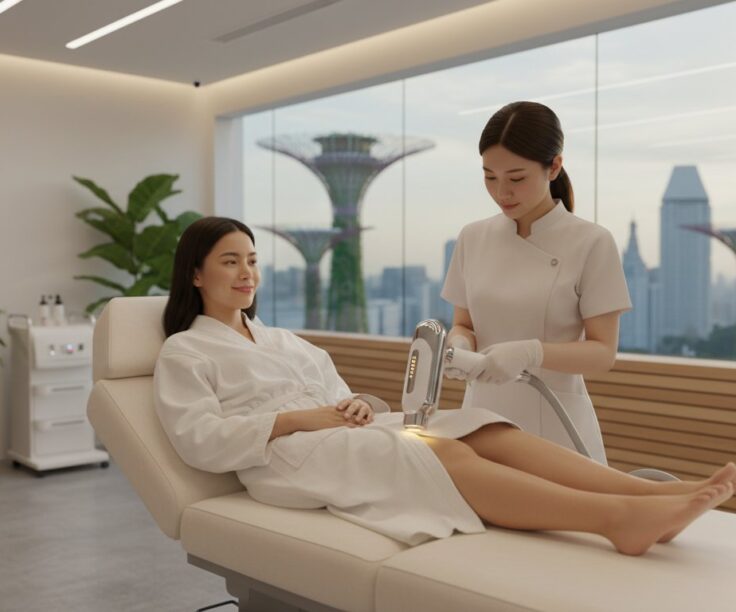
Your first visit is designed to be informative and relaxing. We start with a detailed skin analysis to identify any areas of sensitivity or irritation from previous plucking or shaving. The actual SHR session is remarkably quick, typically taking only 15 to 20 minutes for the face. We apply a cooling gel to the area, then use the “In-Motion” applicator to gently warm the follicles. Most clients find the sensation quite pleasant, akin to a warm massage. After the session, we provide post-treatment care instructions to keep your skin barrier protected. You’ll likely notice the hair becoming finer and slower to regrow within just a few sessions as the follicles begin to weaken.
Long-Term Maintenance and Support
Consistency is the key to success when dealing with hormonal facial hair. Our specialists will help you create a treatment schedule that aligns with your specific hormonal cycle, whether you’re managing PCOS or navigating menopause. We understand that these conditions can make hair growth feel unpredictable, so we offer the steady support and expertise needed to stay ahead of regrowth. Our team is here to listen and adjust your plan as your body changes. If you’re ready to take the first step toward a more confident you, check out our latest promotions to start your journey with Regina today.
Step Into a Smoother, More Confident Future
Managing unwanted growth is about more than just aesthetics; it’s about how you feel every time you look in the mirror. You now understand that hormonal shifts are the biological root cause and that traditional methods like plucking can actually stimulate more aggressive regrowth. By moving away from mechanical trauma and embracing advanced technology, you protect your skin barrier while achieving the lasting results you’ve been looking for. This transition is the first step toward reclaiming your daily comfort and peace of mind.
Dealing with hormonal facial hair doesn’t have to be a daily struggle or a source of constant anxiety. As Singapore’s SHR specialist with over 10 years of experience in permanent hair reduction, Regina provides a safe, caring environment across our multiple locations. Our 100% non-invasive and FDA-approved technology ensures your comfort without the risks associated with older laser systems. It is time to stop the cycle of irritation and reclaim your natural glow.
Book your painless SHR facial hair removal session at Regina today! We’re here to support your journey toward smooth, healthy skin with the expert care you deserve.
Frequently Asked Questions
Is SHR hair removal permanent for hormonal facial hair?
SHR provides permanent hair reduction as cleared by the FDA. While it effectively destroys the follicles currently producing hair, internal shifts can sometimes trigger new follicles to activate. For those dealing with hormonal facial hair, maintenance sessions once or twice a year can help sustain the smooth results. This technology offers a much more durable solution than temporary methods like waxing, which only provide a very short-term fix.
Can I do SHR if I have PCOS?
Yes, SHR is an excellent choice for individuals with PCOS. Because PCOS causes aggressive hair growth cycles, the gentle, cumulative heating of SHR is more effective than traditional methods. It helps manage the external symptoms while you work with your doctor on internal balance. Many of our clients with PCOS find that SHR significantly reduces the daily burden of hair removal and improves their overall skin health and confidence.
Does hormonal facial hair grow back thicker if I shave before SHR?
No, shaving does not make your hair grow back thicker or darker. This is a common myth. Shaving simply cuts the hair at the surface, which can make the regrowth feel blunt or prickly. We actually require you to shave before your session so the SHR energy can focus on the follicle beneath the skin rather than the hair above it. This ensures the treatment is both safe and effective for your skin.
How many sessions of SHR will I need for my chin and jawline?
Most clients require between 6 to 12 sessions to achieve optimal results on the chin and jawline. This is because hair grows in different stages, and the treatment only targets follicles in the active growth phase. We typically space these sessions 4 to 6 weeks apart. Your specialist will assess your specific hair density and growth rate during your consultation to provide a more personalized timeline for your hair removal journey.
Is SHR safe for darker skin tones commonly found in Singapore?
Yes, SHR is specifically designed to be safe for all skin types, including the darker skin tones common in Singapore. Unlike traditional lasers that target melanin and can cause burns on darker skin, SHR uses lower energy and gradual heat. This In-Motion technology minimizes the risk of overheating the skin surface. It makes the treatment a reliable and safe option for everyone regardless of their natural complexion or skin sensitivity.
Will SHR help with the dark spots caused by plucking?
SHR indirectly helps with dark spots by eliminating the need for plucking and shaving. When you are dealing with hormonal facial hair, the constant trauma to your skin often leads to post-inflammatory hyperpigmentation. Once you stop this irritation, your skin has a chance to heal. We also offer specialized facial treatments and whitening masks that can accelerate the process of evening out your skin tone once the hair growth is under control.
What is the difference between SHR and IPL for facial hair?
The main difference lies in how heat is delivered to the hair follicle. IPL uses high-intensity, painful pulses of light that can be risky for facial skin. In contrast, SHR uses lower energy pulses at a high repetition rate. This gradual heating process is much more comfortable and carries a significantly lower risk of burns. It is a more modern and skin-safe alternative for treating delicate facial areas compared to IPL.
Can I get facial SHR while on hormonal medication or birth control?
Yes, you can generally undergo SHR while on hormonal medications or birth control. In fact, these medications can often work in tandem with SHR to provide even better long-term results by stabilizing your internal hormone levels. However, it is essential to inform your specialist about any medications you are taking during your consultation. Some specific drugs can increase light sensitivity, so we always prioritize your safety first before starting any treatment.