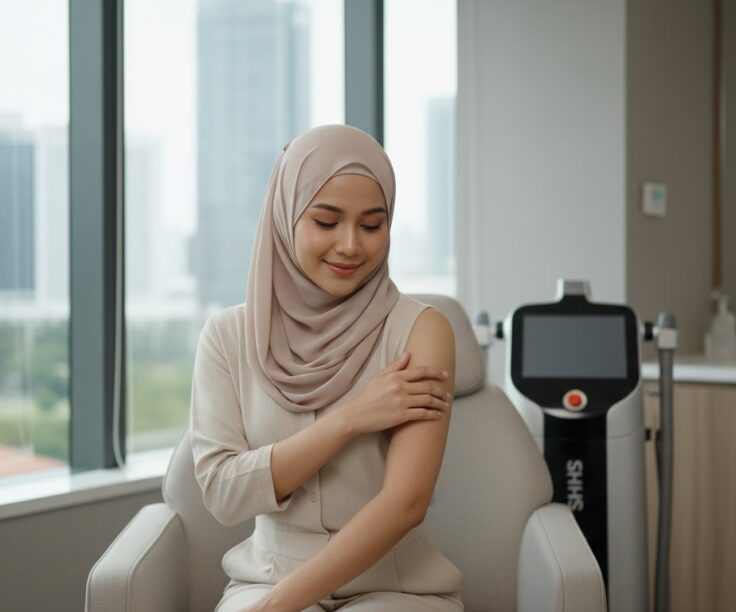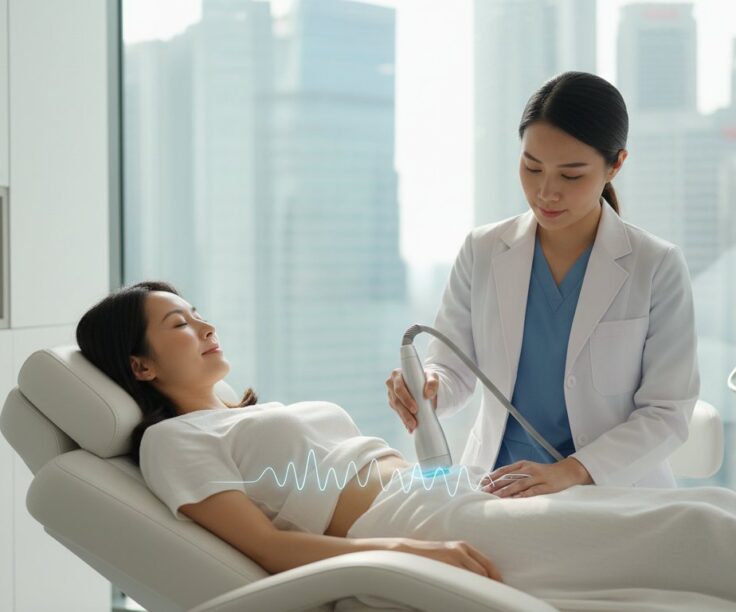

Could the fear of a painful skin burn be the only thing standing between you and permanently smooth skin? While a 2024 consumer survey found that 82% of beauty seekers in Singapore prioritize safety over speed, many still feel anxious about potential shr hair removal side effects when switching from traditional methods. It’s completely natural to feel hesitant when you’re trying to distinguish between marketing hype and clinical reality.
We understand that your skin’s health is your top priority. That’s why we’ve created this comprehensive 2026 safety guide to give you total peace of mind. You’ll discover how SHR technology differs from older lasers, exactly what a “normal” skin reaction looks like, and how to ensure your treatment remains entirely comfortable and risk-free. We’ve included a professional checklist to minimize risks so you can focus on enjoying your results. Let’s explore the science behind this pain-free specialist technology and how it keeps your skin protected.
Key Takeaways
- Understand why SHR’s innovative “In-Motion” technology offers a safer, more comfortable experience compared to traditional high-heat laser methods.
- Learn how to distinguish between normal skin reactions and potential shr hair removal side effects to ensure a worry-free recovery within 48 hours.
- Discover why SHR is the preferred choice for Singapore’s diverse skin tones, offering significantly lower risks of burns than traditional IPL treatments.
- Identify the crucial pre-care steps and post-treatment “don’ts” that protect your skin and guarantee long-lasting, smooth results.
- Find out how Regina’s specialist protocols and medical-grade equipment minimize human error to provide the safest hair removal experience available.
What is SHR Hair Removal and Is It Genuinely Safe?
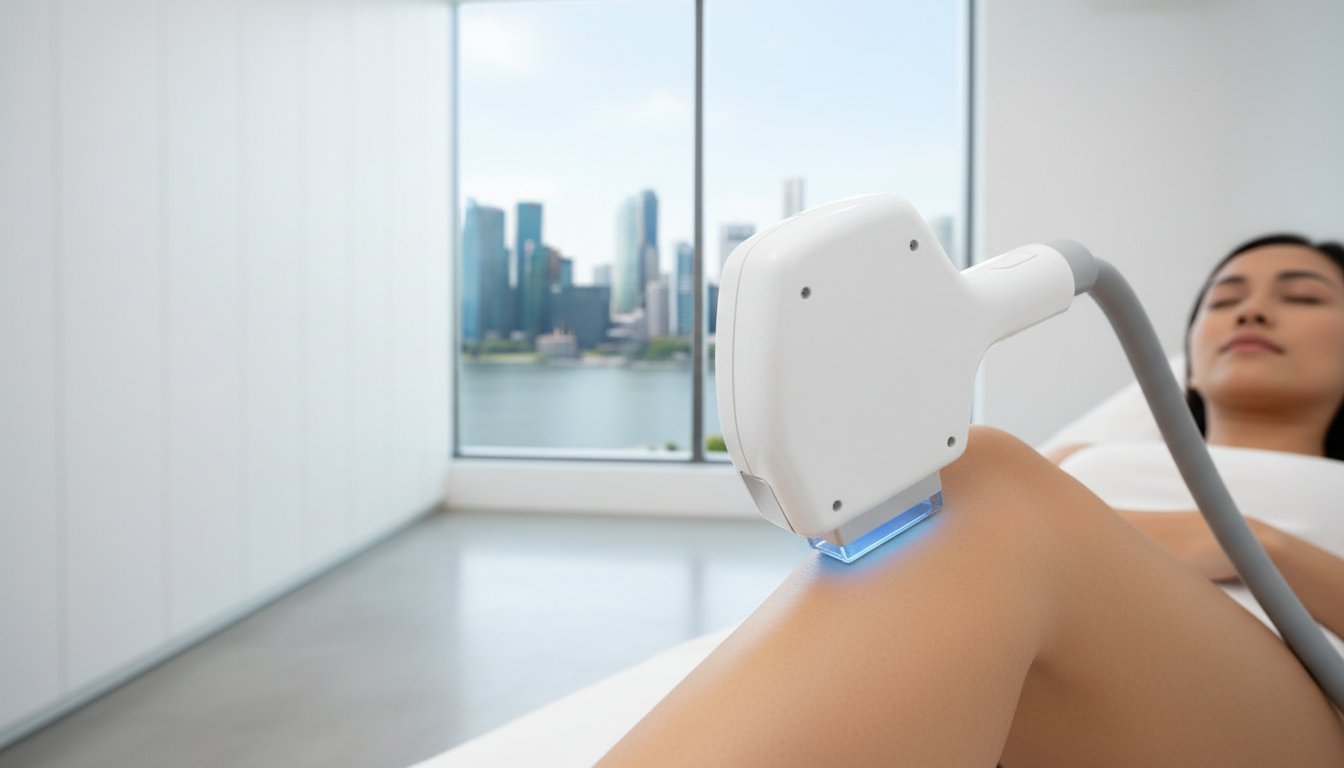
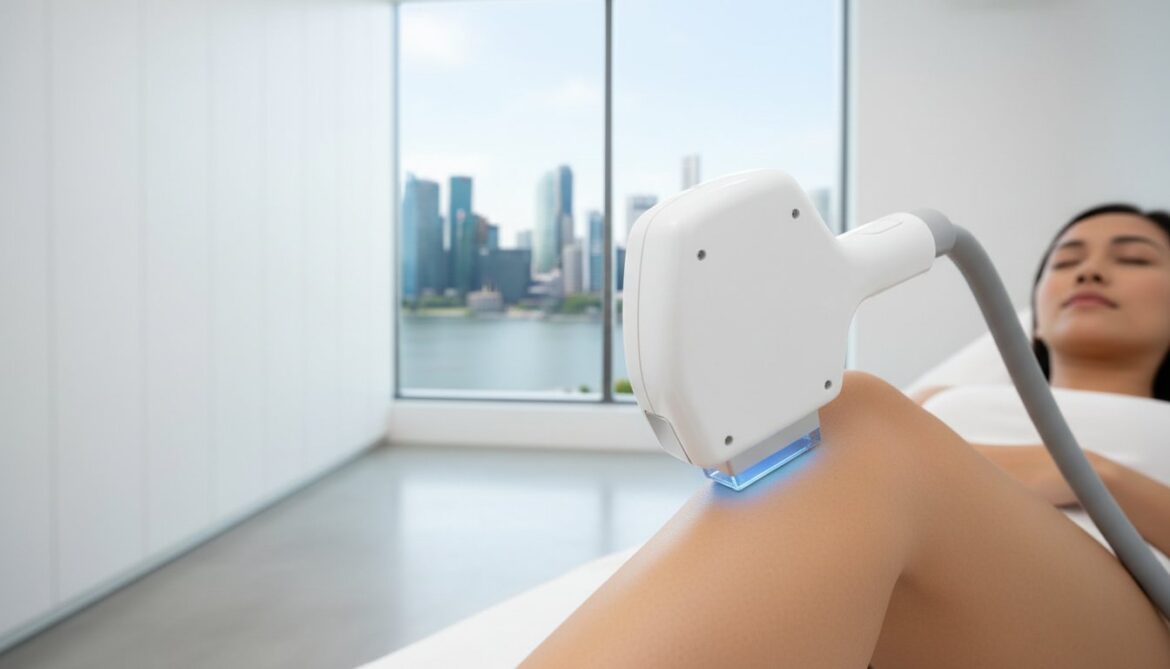
SHR, or Super Hair Removal, represents a major shift in how we approach permanent hair reduction in 2026. It’s a “low-fluence” system. This means it uses lower energy levels compared to traditional lasers. Instead of delivering a single, high-intensity “shot” that can feel like a rubber band snapping against your skin, SHR utilizes an “In-Motion” technique. The applicator slides over your skin, delivering rapid pulses of energy at a high frequency. This method ensures the treatment area receives enough total energy to disable hair growth without the sharp pain often associated with older technologies.
Safety is a top priority for Singaporean clients. SHR is uniquely designed to be safe for all Fitzpatrick skin types, from Type I (very fair) to Type VI (deeply pigmented). Traditional methods often struggle with darker skin because the laser can’t always distinguish between the melanin in the hair and the melanin in the skin. SHR bypasses this issue by focusing on the hair follicle’s stem cells through gradual heating. Because it is an advanced development of Intense Pulsed Light (IPL), it provides a more controlled and gentle experience. Understanding these mechanics helps minimize the risk of shr hair removal side effects like hyperpigmentation or accidental burns.
The Science of Low Heat and Safety
The secret to SHR’s safety lies in gradual thermal accumulation. While traditional lasers heat the follicle to roughly 70°C instantly, SHR maintains a steady temperature between 45°C and 50°C. This lower temperature is sufficient to destroy the hair’s regenerative cells but remains well below the threshold for epidermal damage. Modern SHR devices also feature integrated cooling tips. These sapphire cooling heads stay at a constant 0°C to 5°C, protecting the skin surface while the heat builds up beneath. This dual-action approach significantly lowers the chance of discomfort or skin irritation during the process.
Who is the Ideal Candidate for Safe SHR?
Most people in Singapore are excellent candidates for this treatment. It works effectively on fine hair and tanned skin, which were historically difficult to treat safely. However, safety depends on full disclosure. You should avoid SHR if you’re currently pregnant or taking photosensitizing medications like certain antibiotics or acne treatments. A professional consultation is mandatory before your first session. This allows a specialist to assess your skin health and conduct a patch test. Taking these steps ensures you achieve smooth results while avoiding potential shr hair removal side effects. If you’re ready to start your journey, you can book your session here for a professional skin assessment.
Common Side Effects vs. Rare Complications of SHR
Understanding the difference between a standard skin response and actual shr hair removal side effects helps you stay calm during your journey to smooth skin. Most clients experience what we call clinical endpoints. These are positive signs that the treatment worked. They aren’t injuries; they’re evidence of the hair follicle effectively absorbing heat. In Singapore’s humid climate, your skin might feel slightly more sensitive immediately after a session at Regina, but this usually settles quickly.
The recovery timeline is predictable. Within the first 0 to 48 hours, your skin undergoes a natural repair phase. If a reaction lasts longer than three days or involves broken skin, it moves from the “normal” category into “adverse.” Managing your expectations is a huge part of the process. First-timers often mistake the shedding of dead hair for new growth or a skin rash. Knowing what’s typical ensures you don’t worry unnecessarily about your results.
What to Expect: Normal Post-Session Reactions
Mild erythema, or redness, is the most frequent response. It looks like a light flush and typically disappears within 2 to 24 hours. You might also notice perifollicular oedema. These are tiny, itchy-looking bumps around the hair follicles. While SHR is gentler than older lasers, you can read more from the Mayo Clinic on laser hair removal risks to understand how light energy interacts with different skin types. Other common reactions include:
- The Sunburn Sensation: A warm, tingling feeling that lasts about 4 to 6 hours.
- Temporary Dryness: As the treated hair begins to shed over the next 14 days, the skin may feel slightly flaky or itchy.
- Heat Sensitivity: Your skin will feel more sensitive to hot showers or steam for the first 24 hours.
Rare Side Effects and How They Occur
Serious complications are rare when treatments are performed by a trained specialist using calibrated equipment. Hyperpigmentation (darkening) or hypopigmentation (lightening) can occur if the skin is exposed to the sun too soon after a session. This is why we emphasize daily SPF 50+ application in Singapore. Blistering or crusting is another rare shr hair removal side effects occurrence, usually caused by improper settings or failing to disclose recent sun tanning.
A very rare condition called paradoxical hypertrichosis affects less than 1% of light-based therapy users globally. This is where the heat actually stimulates dormant fine hairs to grow thicker. It’s most common on the face or neck of individuals with specific hormonal profiles. If you’re concerned about your skin’s unique reaction, it’s best to consult our experts. You can view our latest promotions to start your consultation with a professional who understands these nuances.
If you experience any pain that prevents sleep, or if you notice any yellow discharge or worsening swelling after 48 hours, seek professional attention immediately. Safety is our priority, and being informed is your best tool for a successful transformation.
While the discomfort from cosmetic procedures is typically short-lived, it highlights the importance of seeking expert medical advice for any persistent pain. For those dealing with chronic pain conditions unrelated to aesthetic treatments, it can be helpful to see how specialists approach long-term relief. As an example of a dedicated pain management center, you can visit Sapphire Clinics to understand their highly specialized assessment process.
Comparing Side Effects: SHR vs. IPL and Traditional Laser
Understanding why SHR is safer requires looking at how energy enters your skin. Traditional lasers and Intense Pulsed Light (IPL) use a “pulse” delivery system. This method sends a single, high-intensity blast of heat directly into the follicle. While effective, this “rubber band snap” sensation often causes immediate redness and carries a higher risk of surface burns. In contrast, SHR uses an “accumulation” method. It fires up to 10 low-energy shots per second, gradually raising the temperature of the hair follicle to the required 45 to 50 degrees Celsius.
The difference in recovery is stark. Traditional laser treatments often require 24 to 48 hours of downtime to allow swelling and heat sensitivity to subside. Because SHR builds heat slowly and includes a built-in cooling tip, most clients experience zero downtime. You can return to your daily routine in Singapore immediately after your session without the stinging sensation common with older technologies. This gradual heating significantly reduces the likelihood of shr hair removal side effects like blistering or long-term skin sensitivity.
Why SHR is the Preferred Choice for Singapore Skin
Singapore’s population predominantly features Fitzpatrick skin types III and IV. These skin tones have higher melanin levels, which can be problematic for standard IPL. In older systems, the light cannot always distinguish between the dark hair and the dark skin, leading to a 15% to 20% higher risk of Post-Inflammatory Hyperpigmentation (PIH). SHR solves this by targeting the hair’s stem cells rather than just the melanin pigment. This makes it a much safer alternative for tanned skin or naturally darker complexions. For a deeper look at the technical mechanics, you can read this SHR vs IPL in Singapore guide.
Efficiency vs. Safety: Finding the Balance
A common misconception is that a “gentler” treatment produces weaker results. However, clinical data shows that SHR achieves an 80% to 90% permanent hair reduction after a full course of treatment. The trade-off is simply the number of sessions. While a high-heat laser might show results in 5 sessions, it carries a higher risk of scarring. SHR usually requires 8 to 10 sessions, but it protects the long-term health of your skin barrier.
By choosing a slower, more controlled heating process and following dermatologist-recommended safety measures, you ensure that your hair removal journey is comfortable. Prioritizing skin health over “instant” results helps prevent the most common shr hair removal side effects, such as temporary pigment changes or irritation. It is a marathon, not a sprint, designed to keep your skin smooth and healthy for years to come.
How to Prevent Side Effects: Professional Pre- and Post-Care
Minimizing shr hair removal side effects starts long before you arrive at the clinic. While SHR is a gentle, “in-motion” technology, your skin’s current state determines how it reacts to the light energy. Following a strict 24-hour preparation rule ensures the treatment targets the hair follicle effectively without stressing the surrounding tissue. Proper care is a partnership between you and your therapist to achieve the best results safely.
Pre-Treatment Safety Checklist
Preparation is primarily about protecting your skin barrier and ensuring the hair is in the right phase for the laser. You must shave the treatment area roughly 24 hours before your appointment. Don’t wax or pluck. Because SHR targets the pigment in the hair root, removing the root entirely via waxing makes the treatment ineffective. You should also pause the use of active skincare ingredients, such as Retinols, Vitamin C serums, or AHAs, for at least 5 days before your session. These ingredients can increase skin sensitivity and lead to unnecessary redness. Always disclose if you’ve started new medications or spent a weekend tanning at Sentosa, as recent UV exposure significantly changes how we must calibrate the machine settings to prevent burns.
Essential Post-SHR Aftercare
After your session, your skin remains sensitive to external heat for approximately 48 hours. You should skip the gym, hot yoga, and saunas during this window. Intense exercise generates internal body heat and sweat, which can trap bacteria in the follicles and trigger shr hair removal side effects like folliculitis or itchy red bumps. Instead, keep the area cool and hydrated. We recommend using pure Aloe Vera gel or a fragrance-free moisturizer to soothe the skin and restore its moisture balance.
In Singapore’s tropical climate, sun protection is your best defense against post-treatment pigmentation. The UV index in the city often reaches extreme levels above 11, so applying a broad-spectrum SPF 30+ is a non-negotiable rule for any treated areas exposed to the sun. Avoid direct sunlight for at least 7 days post-treatment to ensure the skin heals without darkening. If you are unsure about your skin’s recovery or want a professional assessment of your progress, you can book a Pre- & Post-SHR Care check-up to speak with our specialists.
Following these professional guidelines ensures your journey to smooth skin remains comfortable, hygienic, and successful. To learn more about our commitment to your skin health, consult the specialists at Regina Singapore for a personalized safety plan.
Choosing a Specialist: Why Regina Ensures Maximum Safety
Selecting the right provider is the most critical step in your hair removal journey. While the technology itself is advanced, the skill of the therapist determines your ultimate results. At Regina, we combine medical-grade equipment with rigorous clinical protocols to ensure your safety. Our therapists undergo over 100 hours of specialized training and assessment before they perform a single session. This commitment to expertise is why we’ve maintained a consistent 4.9-star rating across our Singapore outlets for years.
We don’t believe in “one-size-fits-all” settings. Every skin type requires a specific energy level to be effective without causing damage. By customizing the pulse width and frequency for each individual based on the Fitzpatrick scale, we effectively eliminate the risk of shr hair removal side effects like thermal injury or skin irritation. Our clinical standards align with Singapore’s strict beauty regulations, ensuring every treatment is as hygienic as it is effective. We use hospital-grade disinfectants on all equipment between every client to maintain a sterile environment.
Our Meticulous SHR Process
Every session at Regina follows a strict safety sequence. We begin with a comprehensive skin analysis to assess your current skin health and hair density. For clients with sensitive skin or those new to the technology, we prioritize a test patch. This 24-hour waiting period allows us to monitor how your skin reacts to the light energy before proceeding with a full session. During the treatment, our therapists use a precise “in-motion” technique that prevents heat buildup in a single spot. We finish every session with a specialized post-treatment cooling application to soothe the skin and lock in moisture immediately.
Affordable Safety and Long-Lasting Results
Premium safety shouldn’t be a luxury. We’ve positioned Regina as the specialist that balances clinical excellence with accessible pricing for all Singaporeans. You don’t have to choose between a cheap, risky treatment and an overpriced medical procedure. Our protocols are designed to minimize human error, using machines that provide real-time feedback on skin temperature. This data-driven approach ensures that your path to smooth skin is predictable, comfortable, and free from complications.
If you’re ready to experience the Regina difference, we invite you to explore our current promotions for professional trials starting at competitive rates. Investing in a specialist means investing in peace of mind. You can achieve permanently smooth skin without worrying about shr hair removal side effects when you’re in the hands of trained professionals who put your skin health first. Smooth skin is a journey, and we’re here to ensure it’s a safe one.
Step Into Your Most Confident Self
Navigating the facts about shr hair removal side effects helps you make an informed choice for your skin’s health. While SHR is remarkably safe, your results depend on the expertise of your provider and strict adherence to aftercare. By choosing a specialist who understands the nuances of the hair growth cycle, you minimize risks and maximize the effectiveness of every pulse. Regina has remained a dedicated specialist in Super Hair Removal since our very first day, serving thousands of satisfied Singaporean clients with a 4.9 overall rating.
Our team operates across multiple convenient locations in Singapore, ensuring professional standards are never more than a short trip away. We combine the latest non-invasive technology with a caring, clinical approach that prioritizes your comfort. You don’t have to compromise between safety and results when you’re in the hands of experts who’ve perfected the process. It’s your turn to enjoy the freedom of permanently smooth, glowing skin without the stress.
Experience Safe, Pain-Free SHR – Book Your Appointment at Regina Today!
Your journey to effortless beauty starts with a single, relaxing session.
Frequently Asked Questions
Can SHR hair removal cause permanent skin damage?
SHR hair removal doesn’t cause permanent skin damage when performed by trained specialists using calibrated equipment. The technology uses low-energy pulses that heat the dermis gradually, which is significantly safer than the high-intensity heat used in older laser systems. Clinical data shows that less than 1% of clients experience long-term skin issues when they follow the recommended pre-treatment and post-treatment protocols.
Is it normal to have red bumps after an SHR session?
It’s completely normal to experience small red bumps or mild swelling for 24 to 48 hours after your session. This reaction, known as follicular edema, occurs in about 20% of clients and indicates that the heat successfully reached the hair follicles. You can apply a chilled aloe vera gel or a cold compress to soothe the area; these symptoms usually vanish without any extra intervention.
Will SHR cause my skin to darken or lighten?
Temporary pigment changes like darkening or lightening are rare and affect fewer than 2% of clients who adhere to safety guidelines. These shr hair removal side effects typically occur if the skin is exposed to UV rays or tanning beds within 14 days of the appointment. To keep your skin tone even, always apply SPF 30 or higher on treated areas and avoid direct sun exposure for at least one week.
Can I do SHR if I have sensitive skin or eczema?
You can safely undergo SHR even with sensitive skin because the gradual heating method is much gentler than traditional lasers. If you have an active eczema flare-up, it’s best to wait until the skin has fully healed before starting treatment. Our specialists perform a mandatory patch test for 100% of new clients to ensure the energy settings are perfectly adjusted for your skin’s specific tolerance levels.
What should I do if I experience a burn or blister after SHR?
If you notice a burn or blister, which happens in less than 0.5% of professional treatments, apply a cold compress immediately and avoid popping any blisters. Don’t use scented lotions, harsh soaps, or hot water on the area for at least 72 hours. Contact your specialist right away so we can provide a professional recovery cream and document the reaction to adjust your future settings for better safety.
How long do SHR side effects typically last?
Most common shr hair removal side effects like mild warmth, tingling, or slight redness resolve within 24 to 72 hours. While 90% of clients see their skin return to its normal state by the third day, individual recovery times can vary based on skin sensitivity. If any discomfort or unusual skin changes persist beyond 4 days, you should consult your therapist for a professional assessment.
Is SHR safe for the face and Brazilian areas?
SHR is exceptionally safe for delicate zones like the face and Brazilian areas because the “In-Motion” gliding technique prevents heat spikes on sensitive skin. In Singapore, thousands of women choose this method annually for its high safety profile and pain-free experience. We use specialized applicators designed for precision to ensure these sensitive regions are treated with the utmost care and comfort.
Does SHR increase the risk of skin cancer?
SHR hair removal doesn’t increase the risk of skin cancer because it uses non-ionizing radiation that doesn’t damage cellular DNA. The light energy only targets the hair follicle at a depth of roughly 3 to 5 millimeters, never reaching internal organs or causing genetic mutations. Dermatological studies confirm that the specific wavelengths used in SHR are safe for long-term cosmetic use without any carcinogenic risks.